


VoltDrama - Short Reels
3.314.00 Reviews
App Specs
- Version
- 2.2.0
- Updated On
- License
- Free
- Downloads
- 10,000+
- Developer
- Sd Spartan
- Categories
- Entertainment
- Platform
- Android
Screenshots

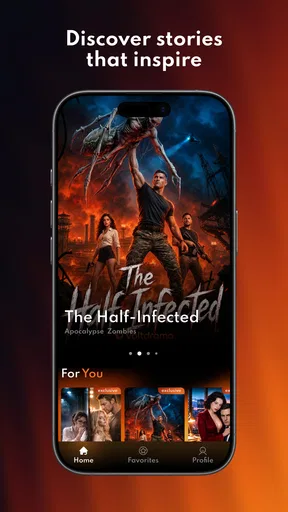
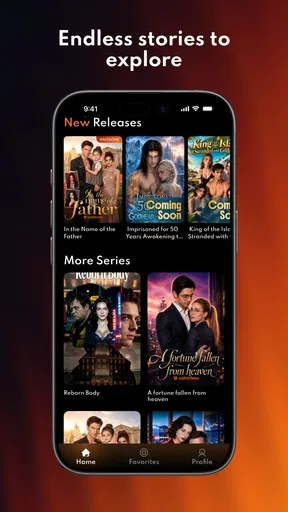
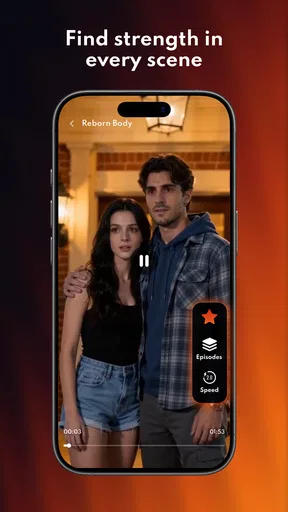

 Analysis by AppCompare
I spent time with VoltDrama as a quick entertainment app built around short-form drama viewing. Its appeal is easy to understand: open the app when you have a few spare minutes, choose a bite-sized story, and watch without committing to a full-length film or series episode. That makes it a natural fit for commutes, waiting rooms, lunch breaks, or those moments when I want something more engaging than endlessly scrolling social posts.
The app comes from Sd Spartan and sits in the entertainment category. It is free to install, although individual in-app purchases range from $19.99 to $199.99. That pricing detail matters because the basic download is not the whole cost question. Anyone considering it should approach VoltDrama as a short-drama platform whose value depends on how much content can be enjoyed without paying and how often premium material becomes part of the viewing routine.
My overall impression is mixed but fairly clear. VoltDrama has a focused idea and a convenient format, yet it is still a relatively modest platform rather than an established streaming replacement. It has an average rating of 3.3 from around 36 ratings, with 14 written reviews, and has passed 10K installs. Those figures suggest a smaller audience and a less mature feedback history than the major video services, so I would treat it as an app to sample rather than an automatic recommendation for everyone.
How VoltDrama feels during ordinary viewing
I pay attention to trust in a short-drama app because quick viewing can make it easy to tap through choices without thinking. VoltDrama is free to install, but premium purchases make it worth slowing down before committing money. I’d begin by noticing what the app asks me to do and when, then consider which choices feel comfortable for my own viewing habits.
Short sessions are where the concept makes sense
The strongest use case is not a planned movie night. I would use this app when I have a narrow window of time and want a story with a little more structure than a random clip. Short dramas can work well in that space because they give the viewer a reason to keep watching while still respecting a fragmented schedule. If I am waiting for an appointment, I can watch part of a storyline and stop when I need to move on.
That convenience also changes how I judge performance. With a short-form app, I expect the first screen and the first video to feel ready quickly. A delay is more noticeable when the entire purpose is a brief viewing session. I am less forgiving of repeated loading, awkward transitions, or a confusing route from browsing to playback because those small interruptions can consume a large part of the time I planned to spend watching.
VoltDrama is aimed at viewers who enjoy dramatic hooks, compact episodes, and premium original series presented in a mobile-friendly format. I would especially recommend trying it if you already enjoy serialized clips and prefer discovering several small stories rather than choosing one long production. It is less suitable for someone who wants a broad catalog of familiar television, documentaries, live content, or a dependable substitute for a major subscription service.
Worth Reading Before You Choose

Flipboard Shows What News Apps Must Do Beyond the Feed

Switching to Android Auto Means Rethinking Your Driving Routine

Google Calendar Makes a Crowded Week Easier to Manage

Ludo King Makes the Most of the Minutes Between Plans

Baby Panda World Brings Quick Play to Modern Phones, but Its Game Library Feels Busy

ESPN’s Live Game View Makes Following Close Games Easier
What affects the feeling of speed
Perceived speed is not only about how quickly a video begins. It also includes how easy it is to understand the browsing screen, how fast a choice becomes playable, and whether returning to the app feels straightforward. In VoltDrama, the short-video concept creates a high expectation of immediacy. The app has to feel light enough for spontaneous use, because users are unlikely to plan around it in the same way they plan a full streaming session.
Network quality will naturally influence playback, particularly when moving between clips or opening premium material. I would test it first on the connection I normally use, rather than judging it only under ideal conditions. A service that feels fine on a strong home connection may feel less comfortable during travel or in crowded public spaces. For this kind of app, starting with a short session is a sensible way to see whether its pace suits your everyday conditions.
There is also a practical difference between browsing and watching. A catalog can feel responsive while playback still takes time to settle, or a video can start smoothly while finding the next story is cumbersome. I would pay attention to both parts during the first few uses. That simple check tells me more than a few minutes spent watching a single clip, especially because the app is designed around repeated, bite-sized viewing.
Heavy-use moments change the experience
The busiest moments for a short-drama app are likely to come when I move quickly from one story to another, browse several titles before choosing, or continue watching for longer than a single break. Those actions put more emphasis on repeated loading and navigation than a one-off viewing session. Even without measuring technical performance, I can say that this is where a compact entertainment app earns or loses its place on a phone.
My practical advice is to avoid judging VoltDrama solely by its first successful video. Watch enough to move through the complete rhythm: open the app, browse, start a drama, leave the player, choose another title, and return later. That workflow reveals whether the service works as an everyday habit or only as a one-time curiosity. It is also a useful way to identify whether premium prompts interrupt the experience more than you are comfortable with.
Longer sessions bring another trade-off. Short episodes can make it tempting to continue far beyond the original plan, particularly when each installment ends with a reason to watch the next one. I would decide in advance whether I am sampling a series or settling in for a longer run. This is not just about time management; it helps keep spending decisions separate from the excitement of a cliffhanger. If a premium episode appears at that moment, I prefer to evaluate the series calmly rather than purchase impulsively.
Stability and recovering after interruptions
Reliability matters more here than it might seem. A viewer may open VoltDrama for only a few minutes, so losing a session to an interruption feels disproportionately annoying. Calls, notifications, switching to another app, or briefly losing connectivity are normal phone events. My expectation would be that returning to the app should be simple, with the current viewing context easy to recover. I would not assume that every interruption will behave identically across devices, so I would test this early if uninterrupted viewing is important to me.
A useful personal workflow is to pause before leaving rather than relying entirely on automatic recovery. When I know I will switch apps, I would note the series and episode I am watching, especially during the first few sessions. That sounds basic, but it prevents a short entertainment break from turning into a search through the catalog. It is one of the small habits that makes a developing streaming app feel more manageable.
I would also keep the app updated when a newer version is available. The current version is 2.2.0, and using the current release is the fairest way to judge its behavior. Updates can affect navigation and playback, so an older installation may not represent the experience other viewers are getting. At the same time, I would avoid assuming that an update guarantees perfect stability; the right approach is to observe how the app behaves on the particular phone and connection I use.
Phone requirements and practical limits
VoltDrama supports devices running Android 7.0 or later. That gives it a broad compatibility range, including phones that are not recent, but compatibility alone does not tell me how comfortable the experience will be. Video playback can place different demands on older hardware, available storage, background activity, and the quality of the network connection. A supported phone may run the app while still offering a less fluid experience than a newer model.
If I were installing it on an older device, I would begin with a short test rather than immediately building it into my daily routine. I would check whether browsing remains comfortable, whether video playback behaves consistently, and whether switching away and back is practical. I would also leave enough free storage for the phone to operate normally, since a nearly full device can make many apps feel less responsive even when the app itself is not unusually demanding.
Resource demands are especially relevant for people who watch several short dramas in succession. Streaming video can use more battery and mobile data than text-based entertainment, so I would be cautious during travel or when the battery is already low. VoltDrama is not the right choice for someone who needs a very economical offline pastime unless the app’s own options clearly suit that need. I would use it selectively on mobile data and save longer viewing for a connection and battery level that can handle it comfortably.
Screen size can affect enjoyment too. Short dramas are designed for quick phone viewing, but a small display may make subtitles, facial expressions, or visual details harder to follow. On a larger phone or tablet-sized screen, the same material may feel more relaxed. If I care about presentation more than convenience, I would compare it with a conventional streaming service on a larger display before deciding which one deserves a regular place in my routine.
Free entry does not mean every viewing choice is free
The free installation makes VoltDrama easy to try, but I would not confuse that with unlimited free access to every series. The app includes in-app purchases priced from $19.99 to $199.99 per item, which is a significant range for casual entertainment. Before paying, I would identify exactly what the purchase unlocks and whether it matches my viewing habits. A person who watches only occasionally may find a large one-time purchase difficult to justify.
This is one of the most important differences between VoltDrama and ordinary free video feeds. On a social platform, I might accept interruptions or a less organized catalog in exchange for casual access. On a subscription service, I usually understand the recurring cost and the breadth of the library before I start. VoltDrama sits in a less predictable middle ground: it offers focused short dramas, but premium access can influence the value calculation on a title-by-title basis.
I would therefore use a simple rule. Sample the available viewing experience first, decide whether the storytelling style genuinely holds my attention, and only then consider premium content. I would also avoid making a purchase simply because a short episode ends at a dramatic moment. The format is designed to create momentum, and a clear spending boundary helps keep that momentum enjoyable rather than pressuring.
Who will enjoy it most
VoltDrama is a good match for a viewer who wants compact fictional stories, watches mainly on a phone, and likes the feeling of moving through a series in small portions. It can fit neatly into a daily routine where a full television episode is unrealistic. I can imagine using it while waiting for food, taking a break between tasks, or winding down without having to remember a complicated plot from a long program.
It may also suit people who like sampling unfamiliar productions. Because the format encourages quick decisions, I can test a story without dedicating an entire evening. That makes the app useful for discovery, provided I remain comfortable with the way premium content is presented. The smaller audience can even be a reason to approach it with curiosity: it feels more like exploring a developing platform than joining a universally established service.
On the other hand, I would skip it if my priority is a deep, proven library, large-screen viewing, offline flexibility, or a clearly predictable subscription model. Viewers who dislike cliffhangers may also find short serialized drama frustrating, since the compact format often depends on keeping the next installment tempting. Someone seeking news, sports, educational programming, or long-form cinema is looking in the wrong category entirely.
How it compares with familiar alternatives
Compared with social video feeds, VoltDrama offers a more deliberate dramatic context. A feed is better when I want variety and instant novelty, while this app is more appealing when I want a continuing story. The trade-off is that a social feed can feel more disposable and flexible, whereas a drama app asks me to invest attention in characters and episodes. I would choose between them based on whether I want narrative momentum or quick randomness.
Compared with a mainstream streaming service, VoltDrama is more specialized and more convenient for brief phone sessions. A conventional service is usually stronger for established catalogs, long-form productions, and viewing across different screen types. VoltDrama’s advantage is its narrow focus and compact rhythm, not breadth. If I already pay for a service that covers my short-drama interests, adding another app may not offer enough extra value unless its original series particularly appeal to me.
Compared with free television-style apps, the central question is control and cost. A free alternative may provide longer programs or a wider mixture of channels, but it may not deliver the same concentrated short-drama experience. VoltDrama makes more sense when the format itself is the reason for installing it. If the format is not important, a broader free video option may be a better use of storage and attention.
My practical testing routine
When I try an app like this, I do not begin by watching the most attractive title for an hour. I first browse enough to see whether the catalog feels easy to understand, then I start one short drama and leave the player once. After that, I reopen the app and look for the same story. This checks the basic workflow that matters most to a short-session viewer: discovery, playback, interruption, and return.
Next, I would test it under the conditions in which I actually plan to use it. That might be a home connection, a mobile connection, or a low-battery afternoon away from a charger. I would not treat one smooth session as proof of universal performance, but I would quickly learn whether the app fits my own routine. This approach is more useful than relying only on its 3.3 average, because a small rating history cannot describe every phone, network, or viewing habit.
Finally, I would make a note of when premium access becomes relevant. I would watch enough to understand whether the story quality and pacing justify further attention, then compare the purchase with the amount of content I realistically expect to consume. That separates the app’s entertainment value from the pressure of wanting to see what happens next. It is the most important discipline I would recommend to a friend considering the paid side.
My performance verdict
VoltDrama succeeds most clearly as a focused short-drama companion for spare moments. Its compact format gives it a reason to exist beside larger streaming services, and the free entry makes experimentation straightforward. The Android 7.0 minimum also means owners of older supported phones can at least try it without needing a recent operating system.
Still, I would keep expectations measured. The audience is currently small, the rating is middling, and premium purchases can become expensive for casual viewers. Speed and stability should be judged on the device and network that matter to you, especially if you expect to switch between many clips or watch during travel. I would not install it as my only entertainment app, and I would not pay for premium access before confirming that its stories and viewing rhythm genuinely suit me.
My recommendation is to treat VoltDrama as a selective addition rather than a complete streaming solution. If you enjoy serialized short dramas and want something designed for brief phone sessions, it is worth trying. If you need a broad catalog, predictable costs, or a polished service for long viewing sessions, a conventional alternative will probably serve you better. The best reason to choose VoltDrama is its compact storytelling routine, not a promise of replacing every other video app.
Pros
- Quick short-form episodes that are easy to watch during brief breaks.
- Simple interface makes discovering new reels straightforward.
- Frequent dramatic twists keep many episodes engaging.
- Portrait video format suits one-handed mobile viewing.
- New content can provide a steady stream of entertainment.
Cons
- Some episodes may feel rushed because of their very short runtime.
- The catalog may rely heavily on familiar romance and drama storylines.
- Video streaming can consume significant mobile data without Wi-Fi.
- Availability of episodes or features may vary by region.
- In-app purchases may be needed to unlock some viewing options.
FAQs for VoltDrama - Short Reels
What is VoltDrama - Short Reels, and what kind of content does it offer?
VoltDrama - Short Reels is a mobile entertainment app focused on short-form dramatic videos and serialized stories. Episodes are designed to be watched quickly, usually featuring romance, suspense, family conflict, or unexpected plot twists. The format makes it convenient for short breaks, although viewers should expect cliffhangers and storylines that may require watching several episodes to understand the complete plot.
Is VoltDrama - Short Reels free to download and use?
The app can generally be downloaded without an upfront purchase, but free access may not include every episode or feature. Some content can be supported by advertisements, while additional episodes, faster access, or premium viewing options may require in-app purchases, credits, or a subscription. Before confirming a payment, it is worth checking the current pricing, renewal terms, and whether the selected content is permanently unlocked.
Does VoltDrama - Short Reels require an internet connection?
VoltDrama - Short Reels is primarily intended for online streaming, so a stable internet connection is normally needed to load and watch its short videos. Playback quality can depend on your Wi-Fi or mobile-data speed. Users with limited data plans should be careful, especially when watching multiple episodes in succession. If the app provides downloads for offline viewing, availability and access rules may vary by title or account.
Are there advertisements or other limitations while watching episodes?
Viewers may encounter advertisements, waiting periods, locked episodes, or limits on how much content can be watched for free. These restrictions can differ depending on the story, region, app version, and current promotional offers. In my experience with short-drama platforms, the most important details are usually shown around the episode list or payment screen, so it is advisable to review those notices before spending credits or subscribing.
Is VoltDrama - Short Reels suitable for children and safe to use?
Parents should review the app’s age rating and individual story content before allowing children to use VoltDrama - Short Reels. Short dramas can include mature romance, arguments, violence, emotional manipulation, or other themes that are not appropriate for younger viewers. It is also important to supervise in-app purchases and account permissions, because repeated episode unlocks or subscriptions can create unexpected charges if purchase controls are not enabled.


